Overview California’s HOA elections are governed by Civil Code 5100–5145, which are part of the Davis-Stirling Act, and which set rules for fair nomination, voting, and ballot handling. These election-related procedures are highly complex, interwoven with multiple...
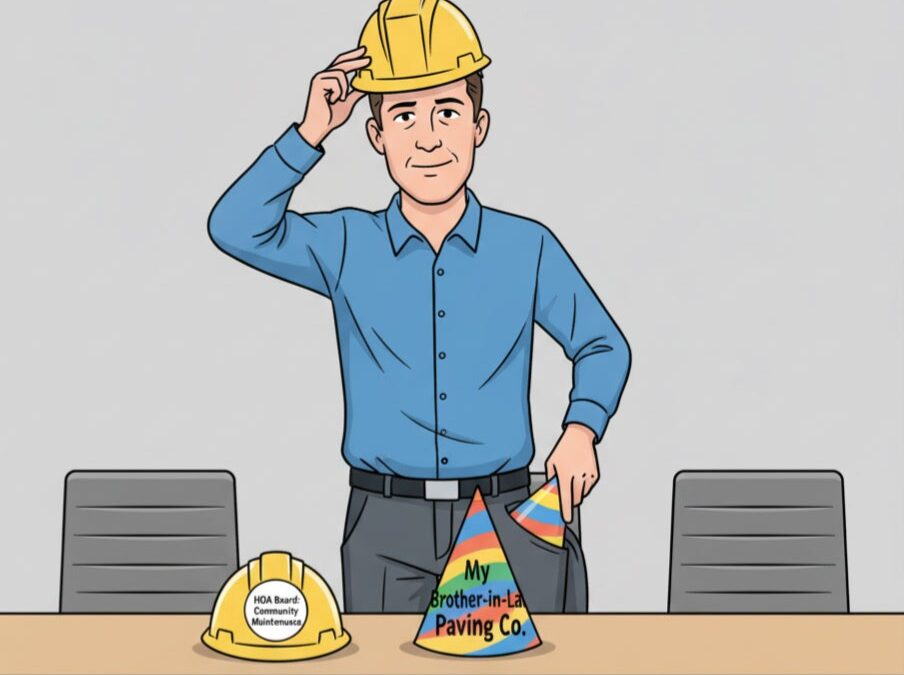
Overview Conflicts of interest arise when an HOA director’s personal or financial interests intersect with the director’s judgment as to what is best for the HOA as a whole. California law addresses these in two several places, including Civil Code 5350(b) (no voting...
Overview If you live in a community governed by an HOA, then you already understand how much power your association holds over your home, your property value, and your quality of life. A well-run HOA can maintain order and protect property values. But a bad HOA (i.e.,...
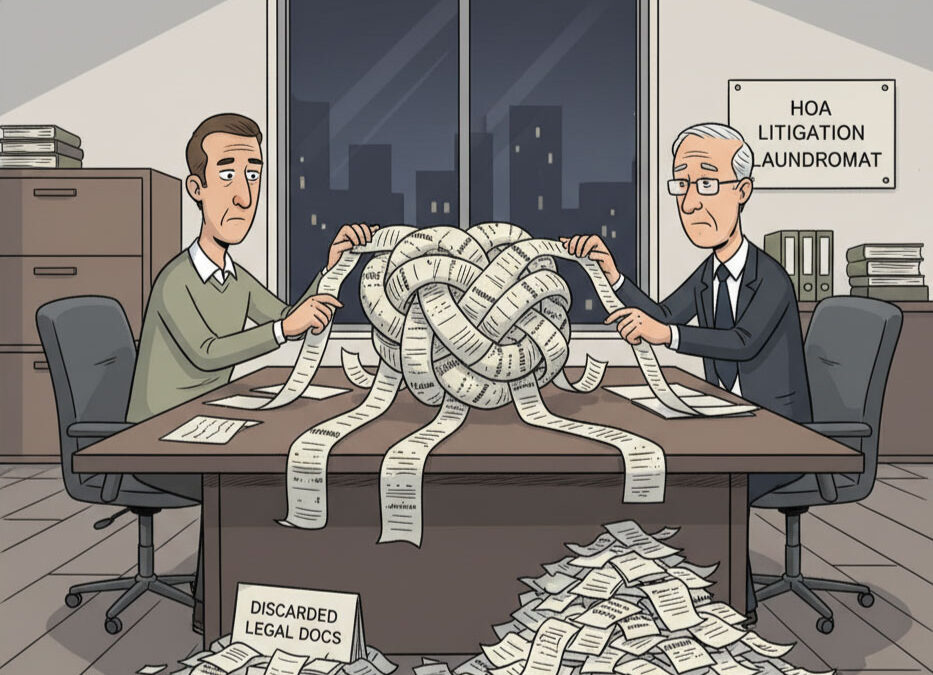
Overview Once litigation begins, the rules for settling a dispute with your HOA change dramatically. At this stage, negotiations take place under the supervision of the court and are governed by procedural rules that don’t apply before a lawsuit is filed. Settlements...
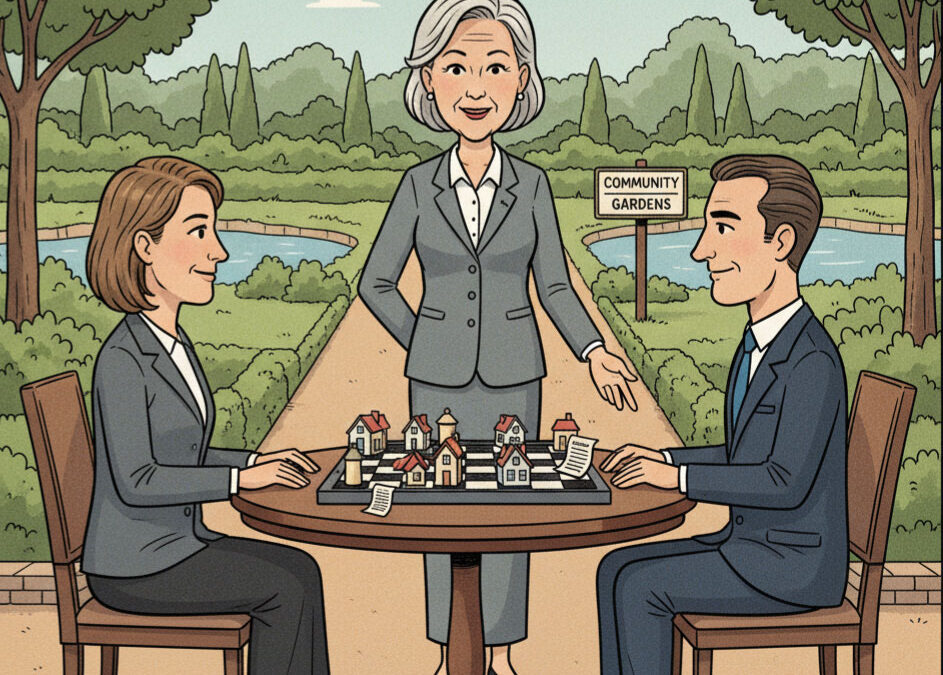
Overview Most HOA disputes between California homeowners and their HOAs (or fellow homeowners) never reach a courtroom. The Davis-Stirling Act encourages homeowners and associations to attempt to resolve disagreements without having to file a lawsuit, either through...
Overview California HOA boards wield extraordinary power over homeowners. They control not only the look and feel of a community but also its finances and enforcement machinery. Boards can issue fines, impose special assessments, record liens, and even foreclose on...